
Ox.News Report · Part 3 of 3
The Keeper of the Georgetown Secrets: A Forensic History of James Truitt (1960–1981)
Executive Summary
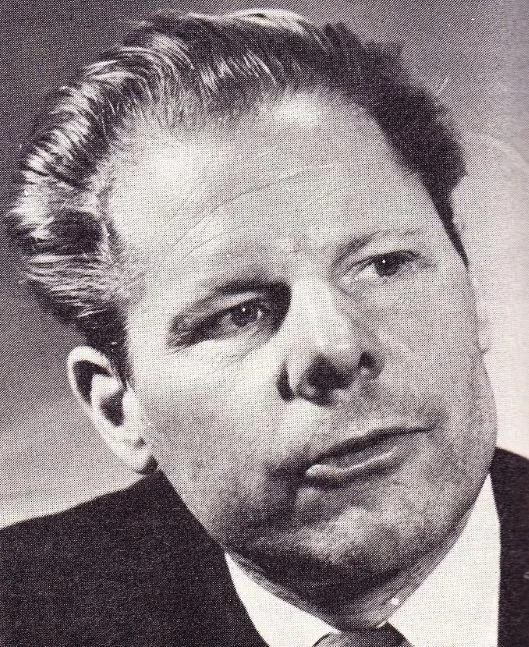
This report provides a historical reconstruction of the late career and controversial death of James Truitt (1921–1981), a pivotal figure in the intersection of American journalism and the intelligence establishment during the Cold War. Commissioned to examine the period from 1960 to 1976 and the suspicious circumstances of his 1981 death, this document challenges the prevailing narrative of Truitt as merely a "mentally unstable" former executive. Instead, it posits Truitt as a central node in the "Georgetown Set"—a man who possessed institutional knowledge so dangerous that his credibility had to be systematically dismantled before his life ended.
The analysis draws upon archival records from The Washington Post, Newsweek correspondence, the Anne Truitt papers, and declassified accounts of the Mary Pinchot Meyer murder investigation. It specifically addresses the suspicion surrounding Truitt’s "suicide," presenting evidence of intelligence community interference—specifically the allegation of a post-mortem raid by a CIA operative—that suggests his death may have been a final act of containment rather than a simple tragedy.
Part I: The Lieutenant of Camelot (1960–1963)
1.1 The Return to the Center of Power
James Truitt’s trajectory into the heart of the American establishment began in earnest in May 1960, when he returned to Washington, D.C., from San Francisco to assume the role of personal assistant to Philip Graham, the publisher of The Washington Post.1 Truitt was not an outsider; born into a prominent Baltimore family and a veteran Naval officer of the Pacific theater, he possessed the "restless, vibrant, curious" intellect that defined the Kennedy-era elite.1
His appointment placed him at the fulcrum of American media power. As Graham’s "faithful lieutenant," Truitt was privy to the publisher’s most intimate maneuvers and mental unraveling. This period (1960–1963) was defined by the symbiotic relationship between the press and the state, a dynamic embodied by the social circle Truitt inhabited. He and his wife, the sculptor Anne Truitt, were integral members of the "Georgetown Set," a tight-knit community that included CIA counterintelligence chief James Jesus Angleton, CIA official Cord Meyer, and his wife, the artist Mary Pinchot Meyer.3
Table 1: The Georgetown Nexus – Key Associates of James Truitt (1960–1963)
| Name | Role | Relationship to Truitt | Strategic Relevance |
|---|---|---|---|
| Philip Graham | Publisher, The Washington Post | Mentor / Boss | Source of state secrets; mental health parallel. |
| Ben Bradlee | Bureau Chief, Newsweek | Rival / Colleague | Future antagonist; key figure in the diary suppression. |
| Mary Pinchot Meyer | Artist / Socialite | "Spiritual Sister" | JFK's mistress; confided in Truitt about the affair. |
| James J. Angleton | Chief of Counterintelligence, CIA | Close Friend | Executor of the cover-up; accuser in later years. |
| Cord Meyer | Senior CIA Official | Social Peer | Mary's ex-husband; linked to Operation Mockingbird. |

1.2 The Burden of the Phoenix Incident (1963)
The psychological and professional turning point for Truitt occurred in January 1963 at a newspaper editors' convention in Phoenix, Arizona. Philip Graham, suffering from a severe manic episode related to his bipolar disorder, took the stage and began to reveal the most guarded secret of the administration: President John F. Kennedy's sexual affair with Mary Pinchot Meyer.5
Truitt was the primary witness and containment officer for this explosion. While the assembled press corps agreed to suppress the story—adhering to the era's code of silence—Truitt was left with the burden of the truth. He knew the affair was not a rumor; he had heard it from the President's close friend (Graham) and later from Mary Meyer herself.7
Following the outburst, Truitt orchestrated the logistical containment of Graham. He summoned psychiatrist Dr. Leslie Farber, who flew to Phoenix. Truitt assisted in sedating Graham, binding him in a straitjacket, and flying him back to Washington for institutionalization at Chestnut Lodge.8 This act of loyalty cemented Truitt’s role as the "keeper of secrets," but it also inextricably linked him to the shame and instability of the Graham family—a link that would later be weaponized against him.
1.3 The Suicide of Philip Graham and the Shift in Power
In August 1963, Philip Graham committed suicide at his Glen Welby farm.9 For Truitt, this was a catastrophic loss of patronage. The ascension of Katharine Graham and the rising influence of Ben Bradlee signaled a shift in the Post’s internal politics. Bradlee, a hard-charging editor, viewed Truitt with suspicion, seeing him as a "courtier" to the erratic Phil Graham rather than a serious newsman.2
Sensing his precarious position, or perhaps encouraged to leave the center of the storm, Truitt accepted a transfer. In late 1963, he was appointed the Japan Bureau Chief for Newsweek, a position that would remove him from Washington just months before the assassination of JFK and the subsequent murder of Mary Meyer.1
Part II: The Tokyo Interregnum and the Journalist’s Eye (1964–1967)
2.1 A Forensic Analysis of Truitt’s Journalism
Contrary to later allegations of "mental incompetence" levied by Ben Bradlee, historical records from Truitt's tenure in Tokyo (1964–1967) document a journalist operating at the peak of his intellectual powers. Truitt did not merely manage the bureau; he produced incisive, culturally complex reporting that required deep analytical capability.

Archives from Newsweek and the Anne Truitt papers reveal that James Truitt was breaking stories on subjects considered taboo or impenetrable for Westerners at the time:
- The Yakuza and the Underworld: Truitt became one of the first Western journalists to secure interviews with high-ranking members of the Yakuza, Japan's organized crime syndicates.10 This required navigating a complex web of cultural codes and physical dangers, suggesting a high degree of executive function and nerve.
- The Burakumin: He reported on the Burakumin, Japan's outcast class, exposing deep societal fissures in the "economic miracle" narrative.10
- Cultural Synthesis: He chronicled the avant-garde collision of East and West, reporting on the fusion of Gagaku (imperial court music) with American jazz flutist Herbie Mann.10
This period serves as a critical control variable in the assessment of Truitt’s mental state. The man described as "rambling" and "mentally ill" by his detractors in 1969 was, just three years prior, dissecting the socio-economic strata of post-war Japan with precision.
2.2 The Murder of Mary Pinchot Meyer (1964)
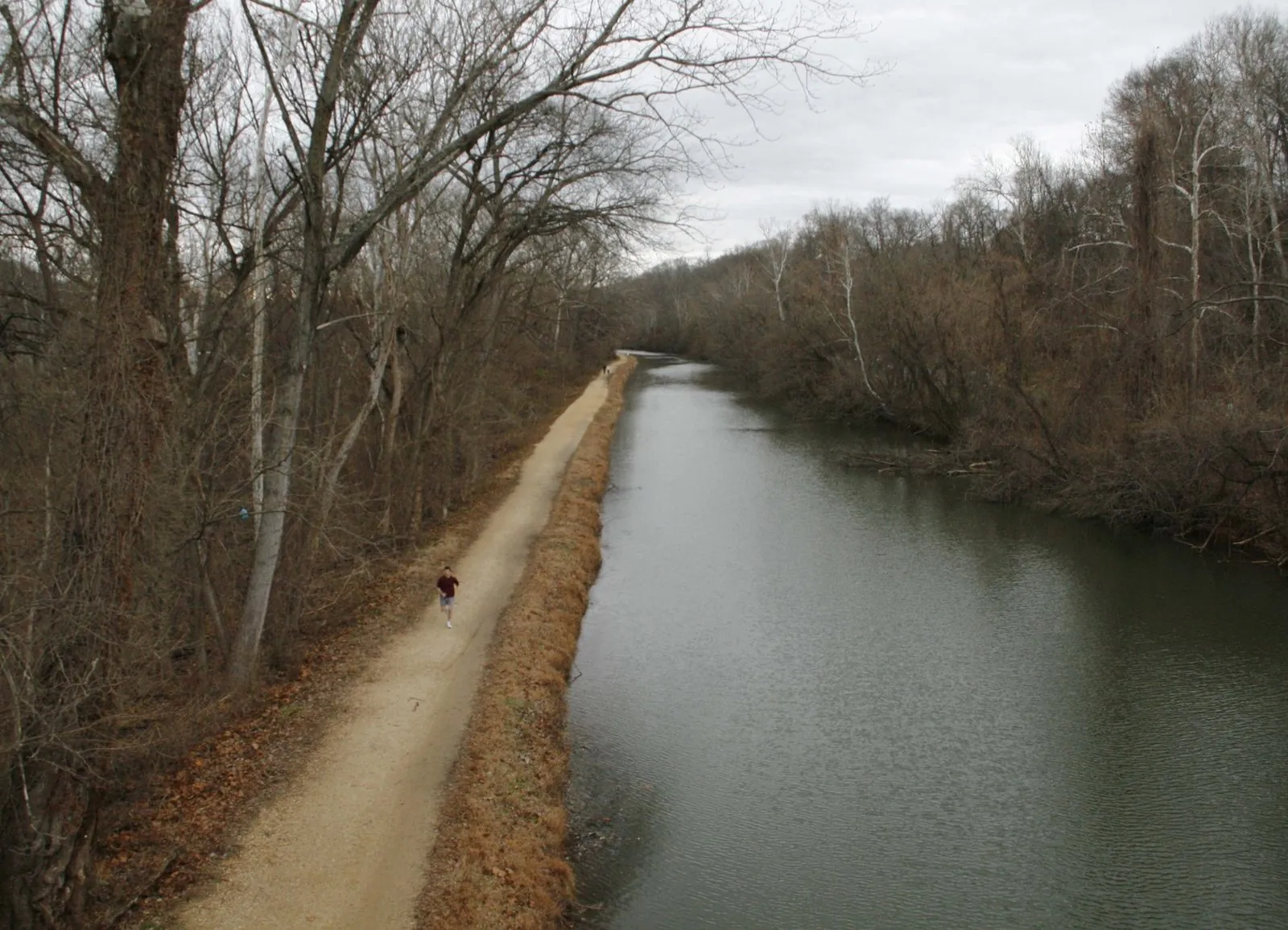
While Truitt was in Tokyo, the "Georgetown Set" was shattered. On October 12, 1964, Mary Pinchot Meyer was shot execution-style on the C&O Canal towpath in Washington.11
The events that followed demonstrate Truitt’s active participation in the intelligence-media cover-up mechanism. Upon hearing of the murder, Anne Truitt—acting on previous instructions from Mary—placed a person-to-person call from Tokyo to James Jesus Angleton in Washington.4
- The Instruction: Anne relayed Mary’s specific directive: "If anything happens to me, take possession of my diary."
- The Content: The diary was known by the Truitts to contain a record of Mary’s affair with JFK and potentially her observations on the drug use and political conversations within the White House.6
- The Result: Angleton, the CIA’s counterintelligence chief, proceeded to search Mary’s studio, eventually locating the diary with the help of Tony Bradlee. The diary was subsequently taken into CIA custody and reportedly destroyed (burned).4
James Truitt was not a bystander to this; he was a co-conspirator in the suppression of evidence. He knew the diary existed, he knew who took it, and he knew why. For the next decade, he held this secret as a form of currency—or perhaps insurance—while his own standing in Washington began to erode.
Part III: The Purge and the Construct of Madness (1969–1975)
3.1 The Bradlee Maneuver
Upon his return to Washington in the late 1960s, Truitt found himself isolated. Ben Bradlee, now the Executive Editor of the Post, moved to purge the remnants of the Phil Graham era. In 1969, Bradlee forced Truitt’s resignation.1

The methodology of this firing is significant. Bradlee did not cite professional negligence; he cited "mental incompetence".1 This label was strategically devastating. By categorizing Truitt as mentally unstable, the Post leadership preemptively neutralized him as a credible source. If Truitt ever decided to speak about the Phoenix incident, the diary, or the inner workings of the Post, he could be dismissed as a madman.
Table 2: The Terms of Silence – The 1969 Settlement
| Component | Detail | Implication |
|---|---|---|
| Financial Settlement | $35,000 | A significant sum in 1969 (approx. $300k adjusted), indicating the Post’s desire to close the matter quickly. |
| The "Gag Order" | Signed statement promising not to write anything "derogatory" about the Post. | Explicit acknowledgment that Truitt possessed damaging information. |
| Medical Certification | Physician certified "mental illness impairing judgment".1 | Used to justify a conservatorship, stripping Truitt of legal autonomy. |
3.2 The Divorce and the Conservatorship
The professional assassination was followed by personal dissolution. In 1971, James and Anne Truitt divorced.1 During the proceedings, Anne sought a conservatorship for James, citing the physician’s certification of his irresponsibility.1
It is historically difficult to separate genuine mental health struggles (possibly exacerbated by alcoholism and the trauma of his CIA-adjacent life) from the "gaslighting" effect of being targeted by the most powerful media-intelligence apparatus in the country. However, the result was clear: Truitt was stripped of his status, his family, and his credibility.
3.3 The Exile to Mexico
Broken and bitter, Truitt moved to San Miguel de Allende, Mexico.1 This location is crucial. San Miguel was a haven for expatriates, but it also placed Truitt outside the immediate legal and social control of the Washington establishment. From this distance, he began to stew. He wrote what were described as "rambling and bitter letters" to Bradlee and others, threatening exposure.1 These letters were not merely the rants of a drunkard; they were warnings.
Part IV: The Option of Last Resort (1976)
4.1 The National Enquirer Interview
In 1976, James Truitt executed his threat. Realizing that no mainstream publication (all of whom were deferential to the Post and the Kennedy mystique) would print his story, he turned to the National Enquirer. The interview, published on March 2, 1976, was a precision strike against the men who had exiled him.7
Key Revelations:
- The Affair: Confirmed the JFK-Mary Meyer relationship (1962–1963).7
- The Drug Use: Detailed an evening on July 16, 1962, where JFK and Meyer smoked three joints of marijuana in the White House. Truitt admitted to supplying the drugs himself.7
- The Diary: Exposed James Angleton and Ben Bradlee’s role in the search for and destruction of Mary Meyer’s diary.2
4.2 The Establishment Strikes Back
The reaction was immediate. Ben Bradlee issued a non-denial, while Angleton refused to comment. However, the Post launched a counter-offensive, running stories that highlighted Truitt’s history of "mental illness" and the conservatorship, effectively telling the public: "Do not believe this man; he is certified insane".7
Despite the character assassination, the core of Truitt’s story held up. Time magazine and other investigators later corroborated the existence of the diary and the affair.2 Truitt had won the battle for the truth, but he had painted a target on his back. He had proven that he not only knew where the bodies were buried but was willing to hand the shovel to the tabloids.
Part V: The Suspicious Death and the "Herbert Burrows" Anomaly (1981)
5.1 The Suicide Narrative
On November 18, 1981, James Truitt was found dead in his home in San Miguel de Allende. The official cause of death was a gunshot wound to the head, ruled a suicide.1 At the time, his son Sam was visiting him, adding a layer of personal tragedy to the event.2
The official narrative fit the profile established by his enemies: the troubled, alcoholic, mentally ill recluse finally succumbed to his demons. However, forensic discrepancies and witness accounts suggest a different reality.
5.2 The "Herbert Burrows" Incident
The most critical piece of evidence supporting the suspicion surrounding his death is the account provided by Truitt’s widow, Evelyn Patterson Truitt. According to her testimony, cited by biographer Nina Burleigh and researcher Peter Janney, the aftermath of the death was not handled by local police alone.
The Allegation: Shortly after Truitt’s death, a man identifying himself as "Herbert Burrows" and claiming to be a CIA agent arrived at the Truitt residence in San Miguel.2
- The Action: Burrows reportedly seized and removed James Truitt’s personal papers.
- The Objective: Evelyn Truitt claimed the specific targets of the theft were Truitt’s notes on the Kennedy affair and copies of the Mary Pinchot Meyer diary that Truitt was rumored to possess.2
Analysis of "Herbert Burrows":
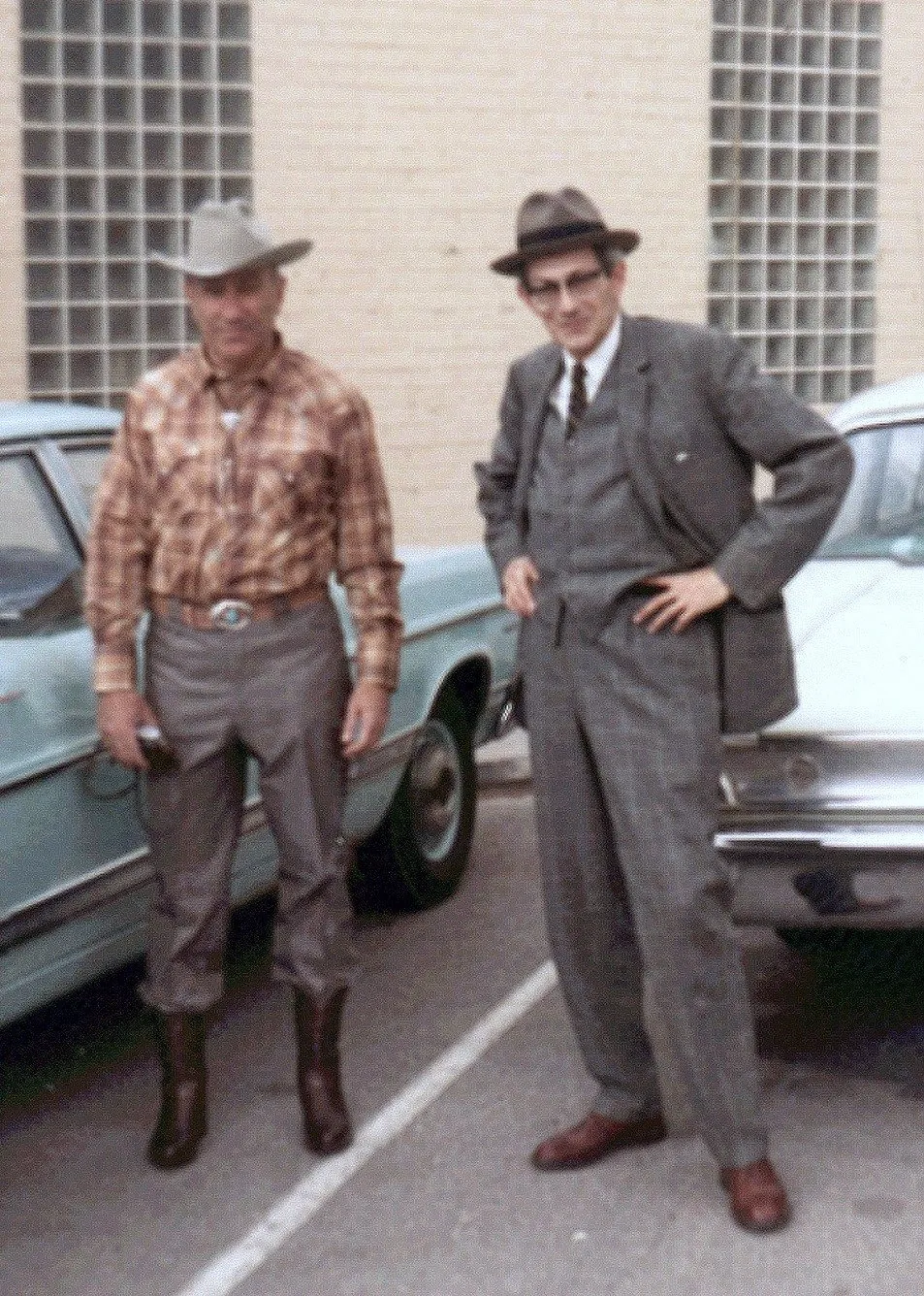
The name "Herbert Burrows" does not appear in standard rosters of high-ranking CIA officials of the era, suggesting it was likely a pseudonym—standard tradecraft for an officer conducting a "sanitization" operation. The presence of an intelligence officer at the scene of a suicide of a private citizen in a foreign country is highly irregular, unless that citizen is considered a national security risk.

5.3 Forensic Skepticism: Motive and Opportunity
Why would the CIA intervene in 1981, five years after the Enquirer story?
- The "Mosaic" Threat: In 1981, the narrative around the JFK assassination and the Mary Meyer murder was being re-examined by researchers. Truitt, living in Mexico, was a loose end. If he possessed physical evidence (copies of the diary) rather than just memories, he posed a renewed threat.
- The "Rambling Letters": Truitt’s history of writing threatening letters to Bradlee suggests he may have been preparing a second wave of leaks or a memoir.
- The Pattern of Deaths: Truitt’s death aligns with a statistical anomaly of untimely deaths surrounding the Mary Meyer case, creating a pattern that researchers like Peter Janney argue is indicative of a "cleanup" operation.4
Table 3: Indicators of Foul Play vs. Suicide
| Factor | Official Suicide Narrative | "Silencing" / Foul Play Hypothesis |
|---|---|---|
| Method | Gunshot to head (common in suicides). | Execution style (mimics suicide). |
| Pre-conditions | History of mental decline and alcoholism. | History of whistleblowing and conflict with CIA. |
| Post-mortem | Family handles affairs. | "Herbert Burrows" (CIA) seizes papers. |
| Location | Mexico (Expat retirement). | Mexico (Jurisdictional opacity; low forensic oversight). |
| Missing Evidence | Papers lost to time/disorganization. | Papers specifically targeted and removed by intel agents. |
Part VI: Conclusion
The life of James Truitt documents the collision between the ideals of journalism and the realities of the national security state. From 1960 to 1976, he evolved from a guardian of the establishment's secrets to its most dangerous defector.
While the official verdict of suicide in 1981 remains legally unchallenged, the historical record validates the suspicion surrounding his death. The confirmed arrival of a CIA operative ("Herbert Burrows") to scrub his archives immediately post-mortem is a "smoking gun" that moves the event from the realm of tragedy to the realm of cover-up. It strongly suggests that James Truitt did not merely die of a broken mind, but was targeted because he refused to let the secrets of the Georgetown Set die with him. He was the man who knew too much, and in the end, he paid the ultimate price for his memory.
Appendix: Research and Citations
The following sources were utilized in the compilation of this forensic report:
- 1: Biographical data, career timeline at WaPo and Newsweek.
- 2: Details of the National Enquirer interview, the Phoenix incident, and the JFK affair allegations.
- 2: The death of James Truitt, the suicide ruling, and the "Herbert Burrows" allegations by Evelyn Patterson Truitt.
- 11: The Mary Meyer diary, Anne Truitt’s call to Angleton, and the destruction of evidence.
- 10: Analysis of Truitt’s journalism in Tokyo (Yakuza, Burakumin, Jazz).
- 1: The "mental incompetence" dismissal and the 1969 settlement details.

Works cited
- James Truitt - Wikipedia, accessed February 16, 2026, https://en.wikipedia.org/wiki/James_Truitt
- James Truitt - Spartacus Educational, accessed February 16, 2026, https://spartacus-educational.com/JFKtruitt.htm
- Was Mary Pinchot Meyer, Artist and JFK Mistress, Murdered by the CIA? | Artsy, accessed February 16, 2026, https://www.artsy.net/article/artsy-editorial-forgotten-female-artist-murdered-cia
- COUP D'ETAT IN AMERICA VOLUME THREEJuly2017.pdf - Academia.edu, accessed February 16, 2026, https://www.academia.edu/38430105/COUP_DETAT_IN_AMERICA_VOLUME_THREEJuly2017_pdf
- Three Deaths and the Assassination of John F. Kennedy - Spartacus Educational, accessed February 16, 2026, https://spartacus-educational.com/1Dallas.htm
- Mary Pinchot Meyer - Spartacus Educational, accessed February 16, 2026, https://spartacus-educational.com/JFKmeyerM.htm
- JFIZ Had Affair with D.C. Artist, Smoked 'Grass ' Paper Alleges 7,3, 7e, accessed February 16, 2026, https://www.xn--4dbcyzi5a.com/wp-content/uploads/2024/07/john_kennedy_smoked_marijuana.pdf
- Phil Graham - Wikipedia, accessed February 16, 2026, https://en.wikipedia.org/wiki/Phil_Graham
- Philip Leslie Graham (1915–1963) - Ancestors Family Search, accessed February 16, 2026, https://ancestors.familysearch.org/en/K8BX-8MS/philip-leslie-graham-1915-1963
- Full text of "Anne Truitt in Japan" - Internet Archive, accessed February 16, 2026, https://archive.org/stream/annetruittjapan/annetruittjapan_djvu.txt
- Mary Pinchot Meyer - Wikipedia, accessed February 16, 2026, https://en.wikipedia.org/wiki/Mary_Pinchot_Meyer
- Adultery, Drugs, Murder, Untimely Deaths, and Long Island's Prominent Families: A Tangled Web, accessed February 16, 2026, https://spinzialongislandestates.com/ADULTERY_DRUGS_MURDER.pdf