
The Unclosed Door · RFK series
Cross-Referencing the American Coup – RFK, JFK, MLK, and the Pattern of Elimination
Part X of The Unclosed Door
1. Introduction: The Death of a Dream by Stages
Between 1963 and 1968, four of the most visionary and charismatic figures in American public life were murdered:
- John F. Kennedy, President, 1963.
- Malcolm X, revolutionary, 1965.
- Martin Luther King Jr., moral leader, 1968.
- Robert F. Kennedy, presidential candidate, 1968.
Each death was framed as the work of a lone fanatic. Each investigation was marred by procedural irregularities, destroyed evidence, and judicial theater. Each figure had, in their final months, taken concrete steps to challenge the pillars of American imperialism: the military-industrial complex, racial capitalism, intelligence overreach, and global colonial projection.
We are not speaking here of four disconnected tragedies. We are speaking of a domestic purge.
2. JFK: The First Domino
John F. Kennedy’s assassination in Dallas on November 22, 1963, marks the visible rupture between the myth of democratic continuity and the reality of deep state power.
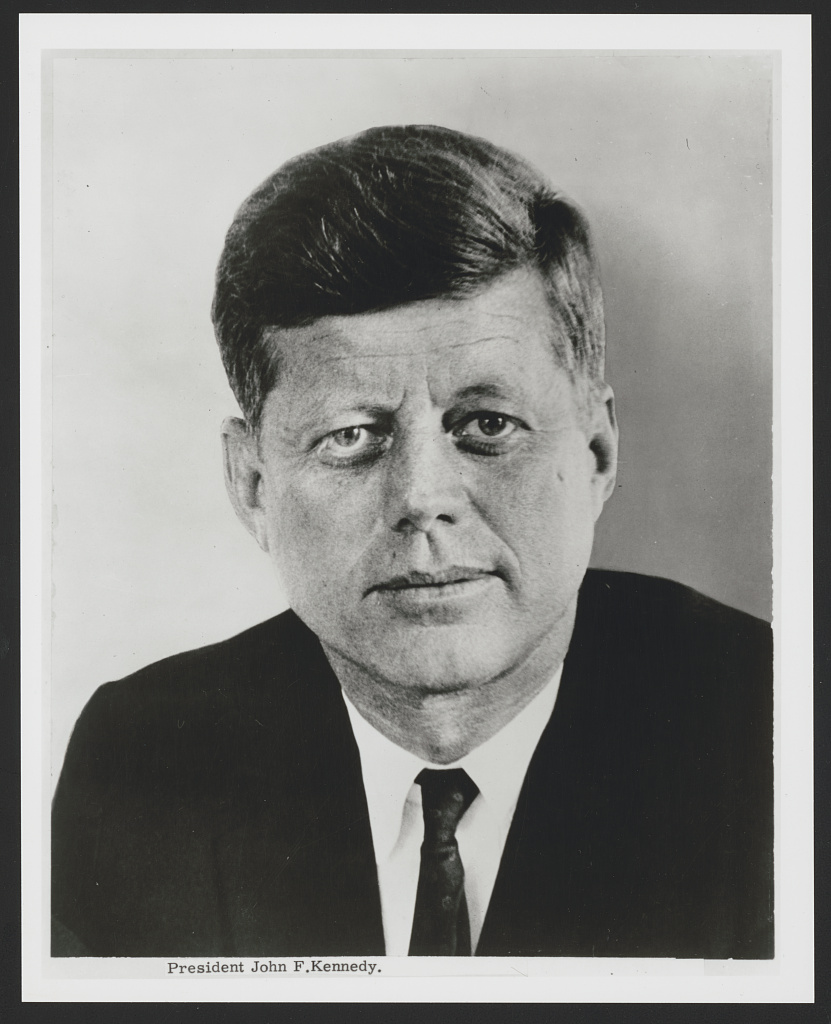
In his final year, JFK had:
- Ordered the withdrawal of 1,000 troops from Vietnam (NSAM 263).
- Demanded inspections of Israel’s nuclear facility at Dimona.
- Initiated a détente strategy with Cuba.
- Fired CIA Director Allen Dulles after the Bay of Pigs disaster.
- Pledged to “splinter the CIA into a thousand pieces and scatter it to the winds.”
On November 22, 1963, he was shot in broad daylight, in front of cameras, in a city run by right-wing oil elites and hostile intelligence operatives.
Lee Harvey Oswald, a deeply contradictory figure, was arrested and declared the sole assassin within hours. He was murdered by Jack Ruby on live television.
The Warren Commission excluded critical witnesses, dismissed forensic contradictions, and relied on CIA-supplied narratives.
This was not incompetence. It was containment.
JFK’s murder signaled the reassertion of an imperial consensus: no more disobedient presidents.
3. Malcolm X: The Revolutionary Targeted from Within
Malcolm X was assassinated on February 21, 1965, at the Audubon Ballroom in Harlem.
In his final months, Malcolm had:
- Broken from the Nation of Islam, threatening to expose its corrupt elite.
- Founded the Organization of Afro-American Unity (OAAU), modeled after the African Union.
- Internationalized the Black freedom struggle, framing it as a human rights issue before the UN.
- Linked American racism to imperialism in Vietnam, Palestine, and the Congo.
- Publicly accused the CIA and FBI of global assassinations.
He was under constant FBI surveillance. COINTELPRO had labeled him “a threat to national security.” NYPD “red squads” monitored his every move.
He was murdered by multiple gunmen—some Nation of Islam loyalists, some likely FBI informants. Two of the three men convicted were later exonerated. The NYPD and FBI admitted they had withheld exculpatory evidence.
Malcolm’s assassination removed the most articulate critic of U.S. global racism and opened space for the domestication of Black politics through liberal co-optation.
4. MLK: From Dreamer to Revolutionary
Martin Luther King Jr. is remembered for “I Have a Dream,” but he was killed for “Beyond Vietnam.”
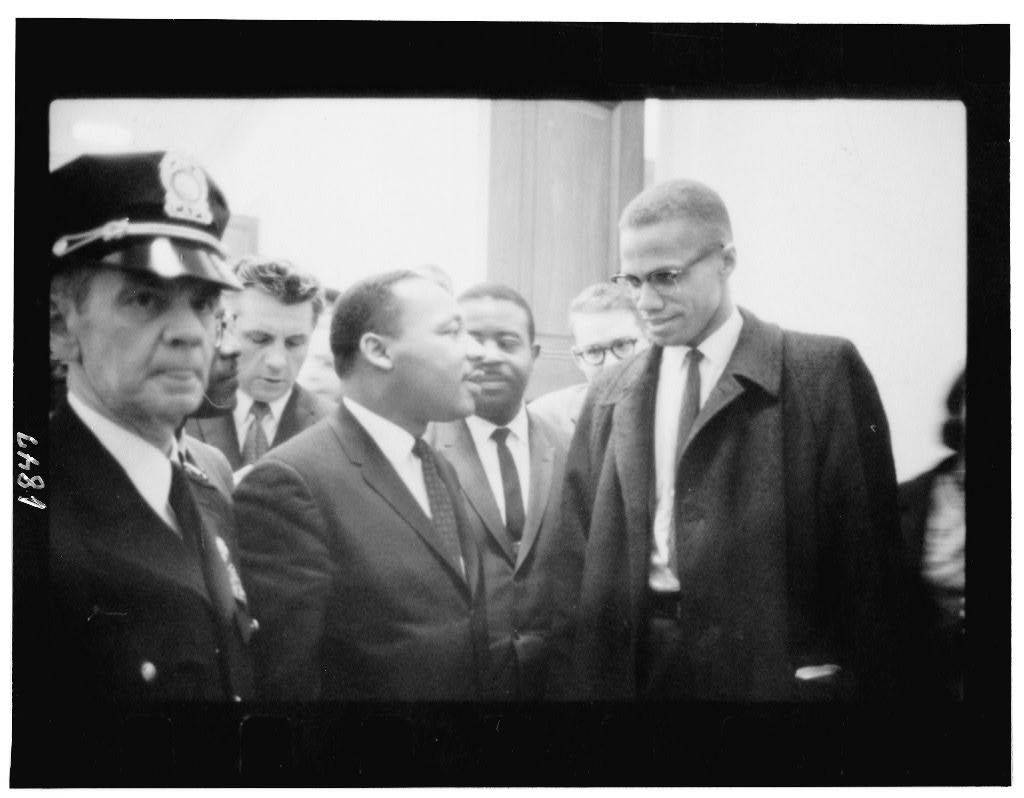
By 1968, King had:
- Condemned the Vietnam War as “the greatest purveyor of violence in the world today.”
- Connected militarism, racism, and capitalism in a single systemic analysis.
- Organized the Poor People’s Campaign, seeking an occupation of Washington, D.C. to demand economic justice.
- Planned to link Black, white, Latino, and Native American poor in a single united front.
He had become uncontainable.
On April 4, 1968, King was shot on a balcony in Memphis. James Earl Ray, a petty criminal, was arrested and pleaded guilty—then recanted. His connection to King was never firmly established.
In 1999, a jury in a civil trial found the U.S. government complicit in King’s murder. The trial was ignored by national media.
King’s death was not the silencing of a dreamer. It was the assassination of an anti-imperialist organizer.
5. RFK: The Heir to Dangerous Memory
Robert Kennedy, in 1963, had been the system’s enforcer.
By 1968, he had become its most dangerous internal apostate:
- Advocating U.S. withdrawal from Vietnam.
- Pledging to investigate CIA and FBI abuses.
- Supporting economic redistribution.
- Signaling openness to Palestinian self-determination.
- Promising to reopen the investigation into JFK’s death.
He was building a coalition that mirrored King’s dream: poor whites, Blacks, Latinos, anti-war students. A peaceful revolution.
Then he was killed. Two months after King. On the eve of likely nomination. In a controlled space. By a man who didn’t remember doing it.
Sirhan Sirhan’s trial, like Oswald’s and Ray’s, was engineered to prevent investigation, not to ensure justice.
6. The Logic of Elimination
The sequence of killings follows a pattern:
Name Killed Challenge to Power Response
JFK Nov 22, 1963 Foreign policy independence, CIA opposition Deep state execution
Malcolm X Feb 21, 1965 Global Black consciousness, anti-imperialist vision Infiltration + hit
MLK Apr 4, 1968 Anti-militarism, class solidarity, systemic critique Covert elimination
RFK Jun 5, 1968 Reclamation of democracy, internal defection Manufactured assassin
This is not coincidental. This is patterned purging—a domestic coup conducted in slow motion, under the cover of “lone gunmen” and “senseless violence.”
Each figure threatened not just policies, but the architecture of American supremacy—economic, racial, geopolitical.
And each was removed before their vision reached executive power.
7. The Role of Intelligence Agencies
Across all four assassinations, the intelligence apparatus appears not as bystander, but as enabler:
- FBI surveillance and harassment of King, Malcolm, and RFK.
- CIA connections to anti-Castro Cubans involved in the JFK case.
- COINTELPRO’s psychological warfare to pit leaders against one another.
- MKUltra’s development of hypnotic programming—relevant to Sirhan’s case.
Declassified documents show:
- J. Edgar Hoover saw civil rights as “subversive.”
- CIA maintained files on domestic critics, violating its own charter.
- NSA eavesdropped on MLK’s international calls.
- RFK’s campaign was infiltrated by “informants” from multiple agencies.
What emerges is a picture of counterinsurgency at home—a domestic application of tactics honed in Guatemala, Congo, Vietnam.
This is what Fanon would call the internal colonization of dissent.
8. Media Complicity: Cementing the Story
In each case, the media framed the assassination as:
- The act of a disturbed loner.
- A national tragedy, not a political inflection point.
- A moment for mourning, not for inquiry.
Questions of deeper power structures were labeled “conspiracy theories.”
The term itself gained derogatory currency in the wake of JFK’s death, following a 1967 CIA directive to media assets to discredit Warren Commission critics.
The strategy worked.
To this day, most Americans accept the surface narrative of these murders—depoliticized, disconnected, depowered.
This is not journalism. It is narrative counterinsurgency.
9. Political Consequences: The Vacuum of Vision
The elimination of these four figures produced not just grief, but a structural void.
In their absence:
- Nixon rose to power.
- COINTELPRO destroyed the Black Panthers, AIM, and radical unions.
- AIPAC consolidated influence over Middle East policy.
- Neoliberalism emerged as bipartisan consensus.
No comparable leader has emerged since. Not because the public lacks desire—but because the system learned to preempt.
Today:
- Charismatic populists are demonized or co-opted.
- Intelligence agencies are venerated.
- The CIA is now a “woke employer” on Twitter.
This is the final success of the 1963–1968 coup: the moral inversion of empire.
10. Theatrical Architecture: The Coup on Stage
Set: A rotating cube. Each side represents a year: 1963, 1965, 1968 (April), 1968 (June).
Characters:
- JFK, Malcolm, MLK, RFK—each in a separate quadrant, giving final speeches.
- A figure called “The Operative” moves between them—different masks: CIA, FBI, LAPD.
- A chorus of mourners gradually turns into spectators, then consumers.
Climax: As the cube spins faster, the voices blur. Shots ring out. Silence. Only RFK’s voice remains:
“There is a contest, not for the rule of America, but for the soul of America.”
11. Conclusion: Naming the Coup
To name this pattern is not to indulge conspiracy. It is to conduct archaeology—excavating buried memory.
Between 1963 and 1968, the United States experienced an internal re-foundation:
- Democratic sovereignty gave way to national security rule.
- Moral leadership gave way to managerial liberalism.
- International solidarity gave way to perpetual war.
RFK’s assassination marked the final seal on that transformation.
To understand it as part of a sequence is not paranoia.
It is historical responsibility.
Source anchor appendix (Part X): the JFK-side pattern — see the dedicated verified outline: RFK on JFK’s Assassination — research outline, version 4 (31 resolving anchors). Key entries: {MD-PRE-2-¶020} · {MD-PRE-2-¶021} · {ST-C26-¶056} · {CB-C17-¶051} · {CB-C17-¶066}
More from the Chomsky Analytical Desk
- The Unclosed Door — Visual Index 23 November 2026
- The World RFK Inherited 22 November 2026
- Robert Kennedy’s Political Awakening 22 November 2026
- 1962 – RFK, AIPAC, and the Foreign Agent That Never Was 22 November 2026